 Dansk
Dansk


Coe, Cynthia D.
(forfatter)
Levinas and the Trauma of Responsibility e-bog
260,50 DKK
Levinas's account of responsibility challenges dominant notions of time, autonomy, and subjectivity according to Cynthia D. Coe. Employing the concept of trauma in Levinas's late writings, Coe draws together his understanding of time and his claim that responsibility is an obligation to the other that cannot be anticipated or warded off. Tracing the broad significance of these ideas, Coe shows ho…
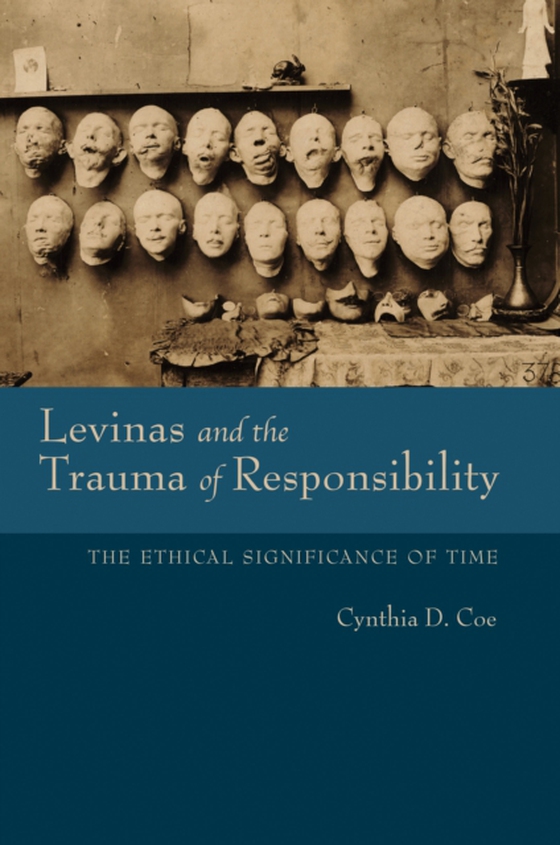
Levinas's account of responsibility challenges dominant notions of time, autonomy, and subjectivity according to Cynthia D. Coe. Employing the concept of trauma in Levinas's late writings, Coe draws together his understanding of time and his claim that responsibility is an obligation to the other that cannot be anticipated or warded off. Tracing the broad significance of these ideas, Coe shows how Levinas revises our notions of moral agency, knowledge, and embodiment. Her focus on time brings a new interpretive lens to Levinas's work and reflects on a wider discussion of the fragmentation of human experience as an ethical subject. Coe's understanding of trauma and time offers a new appreciation of how Levinas can inform debates about gender, race, mortality, and animality.
E-bog
260,50 DKK
Forlag
Indiana University Press
Udgivet
23.01.2018
Længde
248 sider
Genrer
HPCF3
Sprog
English
Format
pdf
Beskyttelse
LCP
ISBN
9780253031983
Levinas's account of responsibility challenges dominant notions of time, autonomy, and subjectivity according to Cynthia D. Coe. Employing the concept of trauma in Levinas's late writings, Coe draws together his understanding of time and his claim that responsibility is an obligation to the other that cannot be anticipated or warded off. Tracing the broad significance of these ideas, Coe shows how Levinas revises our notions of moral agency, knowledge, and embodiment. Her focus on time brings a new interpretive lens to Levinas's work and reflects on a wider discussion of the fragmentation of human experience as an ethical subject. Coe's understanding of trauma and time offers a new appreciation of how Levinas can inform debates about gender, race, mortality, and animality.