 Dansk
Dansk


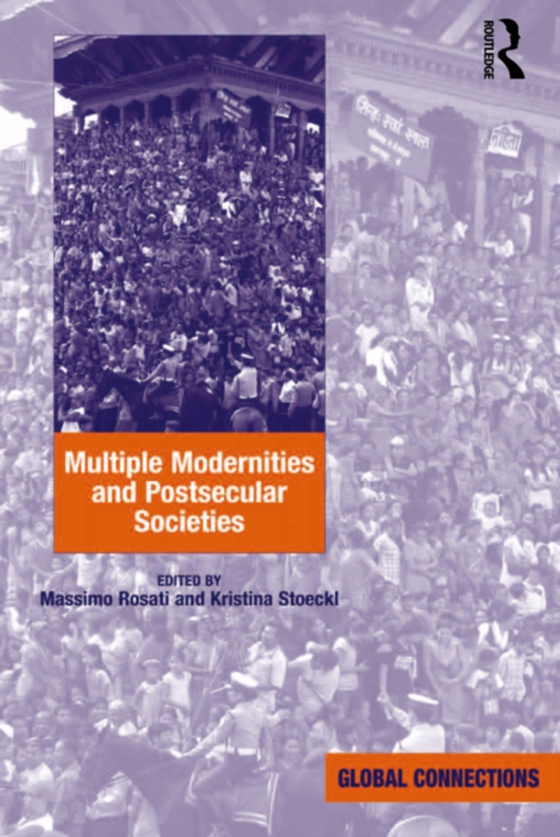
Multiple Modernities and Postsecular Societies e-bog
546,06 DKK
(ekskl. moms 436,85 DKK)
Engaging with the idea that the world reveals not one, but many routes to modernity, this volume explores the role of religion in the emergence of multiple forms of modernity, which evolve according to specific cultural conditions and interpretations of the 'modern project'. It draws upon case study material from Africa, The Middle East, Russia and South America to examine the question of wheth…
Engaging with the idea that the world reveals not one, but many routes to modernity, this volume explores the role of religion in the emergence of multiple forms of modernity, which evolve according to specific cultural conditions and interpretations of the 'modern project'. It draws upon case study material from Africa, The Middle East, Russia and South America to examine the question of whether modernity, democracy and secularism are universalistic concepts or are, on the contrary, unique to Western civilization, whilst considering the relationship of postsecularism to the varied paths of modern development. Drawing together work from leading social theorists, this critical theoretical contribution to current debates will appeal to sociologists, social theorists and political scientists, with interests in religion, secularization and postsecularization theory and transitions to modernity in the contemporary globalized world.
E-bog
546,06 DKK
Forlag
Routledge
Udgivet
15.04.2016
Længde
200 sider
Genrer
HRA
Sprog
English
Format
pdf
Beskyttelse
LCP
ISBN
9781317093251
Engaging with the idea that the world reveals not one, but many routes to modernity, this volume explores the role of religion in the emergence of multiple forms of modernity, which evolve according to specific cultural conditions and interpretations of the 'modern project'. It draws upon case study material from Africa, The Middle East, Russia and South America to examine the question of whether modernity, democracy and secularism are universalistic concepts or are, on the contrary, unique to Western civilization, whilst considering the relationship of postsecularism to the varied paths of modern development. Drawing together work from leading social theorists, this critical theoretical contribution to current debates will appeal to sociologists, social theorists and political scientists, with interests in religion, secularization and postsecularization theory and transitions to modernity in the contemporary globalized world.