 Dansk
Dansk


Sinclair, Ian
(forfatter)
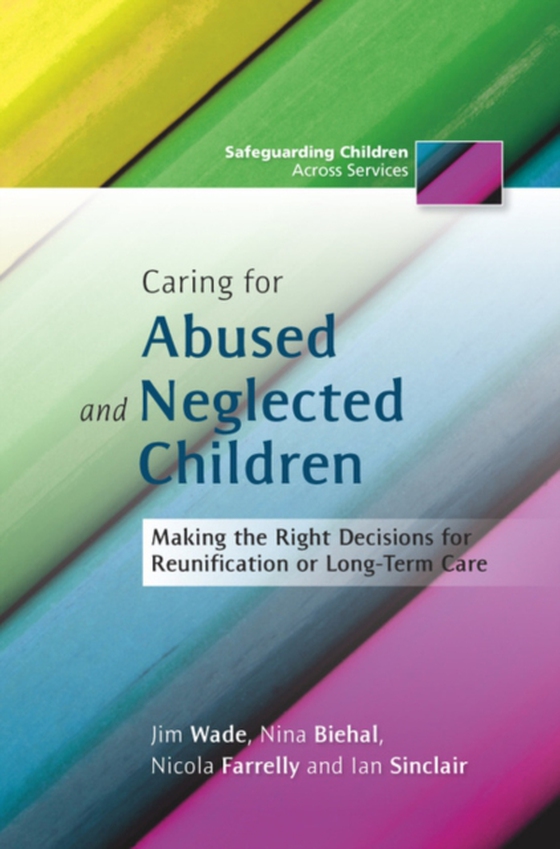
Caring for Abused and Neglected Children e-bog
273,24 DKK
The decision whether or not to reunify a child in care with their birth family is one of the most serious taken by children's services, and often involves considerable risk.This book examines the long-term consequences of this decision for children who entered public care for abuse or neglect. It compares the experiences and progress of children who remained in care or returned to their birth fam…
The decision whether or not to reunify a child in care with their birth family is one of the most serious taken by children's services, and often involves considerable risk.This book examines the long-term consequences of this decision for children who entered public care for abuse or neglect. It compares the experiences and progress of children who remained in care or returned to their birth families up to four years after the decision was taken. It covers how the decision is made, the factors taken into account when making it and provides important suggestions for effective decision-making. It compares the progress made by the children in relation to their safety, stability and emotional well-being. The book demonstrates that, contrary to common belief, long-term care can be a positive option for maltreated children.This book provides important messages for reunification policy and practice in relation to maltreated children. It will be essential reading for social work practitioners, researchers and policy makers.
E-bog
273,24 DKK
Forlag
Jessica Kingsley Publishers
Udgivet
15.08.2011
Længde
224 sider
Genrer
Child abuse
Sprog
English
Format
epub
Beskyttelse
LCP
ISBN
9780857004413
The decision whether or not to reunify a child in care with their birth family is one of the most serious taken by children's services, and often involves considerable risk.This book examines the long-term consequences of this decision for children who entered public care for abuse or neglect. It compares the experiences and progress of children who remained in care or returned to their birth families up to four years after the decision was taken. It covers how the decision is made, the factors taken into account when making it and provides important suggestions for effective decision-making. It compares the progress made by the children in relation to their safety, stability and emotional well-being. The book demonstrates that, contrary to common belief, long-term care can be a positive option for maltreated children.This book provides important messages for reunification policy and practice in relation to maltreated children. It will be essential reading for social work practitioners, researchers and policy makers.