 Dansk
Dansk


Colley, Brook
(forfatter)
Power in the Telling e-bog
302,96 DKK
From 1998 through 2013, the Confederated Tribes of Warm Springs sought to develop a casino in Cascade Locks, Oregon. This prompted objections from the Confederated Tribes of Grand Ronde, who already operated a lucrative casino in the region. Brook Colleys in-depth case study unravels the history of this disagreement and challenges the way conventional media characterizes intertribal casino disput…
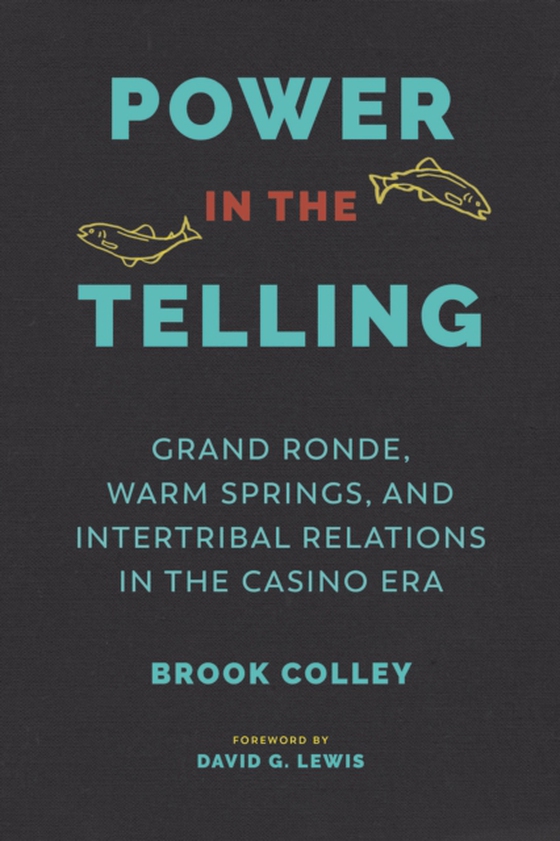
From 1998 through 2013, the Confederated Tribes of Warm Springs sought to develop a casino in Cascade Locks, Oregon. This prompted objections from the Confederated Tribes of Grand Ronde, who already operated a lucrative casino in the region. Brook Colleys in-depth case study unravels the history of this disagreement and challenges the way conventional media characterizes intertribal casino disputes in terms of corruption and greed. Instead, she locates these conflicts within historical, social, and political contexts of colonization.Through extensive interviews, Colley brings to the forefront Indigenous perspectives on intertribal conflict related to tribal gaming. She reveals how casino economies affect the relationship between gaming tribes and federal and state governments, and the repercussions for the tribes themselves. Ultimately, Colleys engaging examination explores strategies for reconciliation and cooperation, emphasizing narratives of resilience and tribal sovereignty.
E-bog
302,96 DKK
Udgivet
01.05.2018
Længde
224 sider
Genrer
Indigenous peoples
Sprog
English
Format
pdf
Beskyttelse
LCP
ISBN
9780295743370
From 1998 through 2013, the Confederated Tribes of Warm Springs sought to develop a casino in Cascade Locks, Oregon. This prompted objections from the Confederated Tribes of Grand Ronde, who already operated a lucrative casino in the region. Brook Colleys in-depth case study unravels the history of this disagreement and challenges the way conventional media characterizes intertribal casino disputes in terms of corruption and greed. Instead, she locates these conflicts within historical, social, and political contexts of colonization.Through extensive interviews, Colley brings to the forefront Indigenous perspectives on intertribal conflict related to tribal gaming. She reveals how casino economies affect the relationship between gaming tribes and federal and state governments, and the repercussions for the tribes themselves. Ultimately, Colleys engaging examination explores strategies for reconciliation and cooperation, emphasizing narratives of resilience and tribal sovereignty.