 Dansk
Dansk


Berger, Michele Tracy
(forfatter)
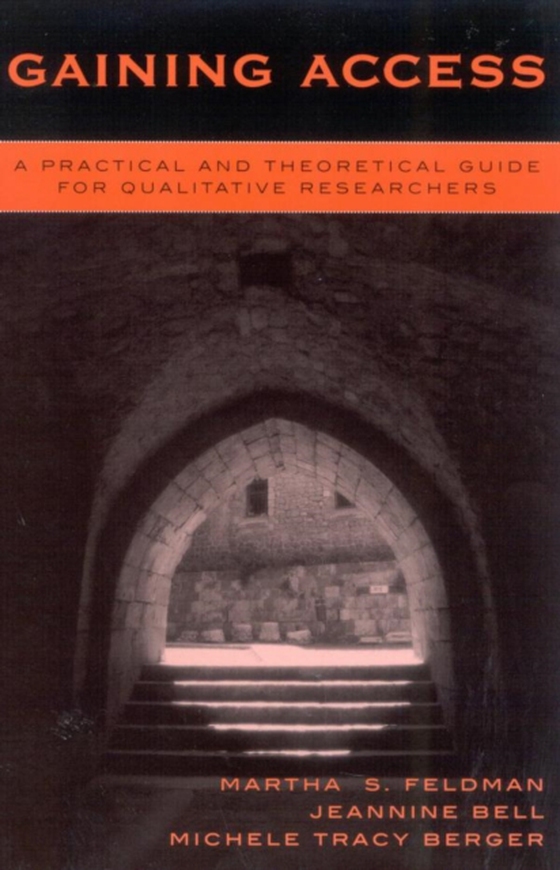
Gaining Access e-bog
366,80 DKK
Gaining access is a critical part of doing research, not only because one must 'get in' in order to gain information, but also because the quality of access affects what information is available to the researcher. Despite its importance, the literature on qualitative methods has not yet provided an extensive treatment of this issue. Gaining Access fills the void by offering useful, prescriptive a…
Gaining access is a critical part of doing research, not only because one must 'get in' in order to gain information, but also because the quality of access affects what information is available to the researcher. Despite its importance, the literature on qualitative methods has not yet provided an extensive treatment of this issue. Gaining Access fills the void by offering useful, prescriptive advice on how to successfully enter different field settings for interviewing and observation. The detailed methodological guidelines presented by the authors are reinforced in a set of case studies by expert researchers from diverse disciplinary backgrounds on a wide variety of formal and informal settings, from working with ethnic minorities in Bosnia to studying prisons, sex workers, welfare offices, and the clergy. This book will provide useful ideas to experienced qualitative researchers as well as invaluable advice to novices conducting their first study.
E-bog
366,80 DKK
Forlag
AltaMira Press
Udgivet
01.09.2004
Længde
192 sider
Genrer
JF
Sprog
English
Format
epub
Beskyttelse
LCP
ISBN
9780585463896
Gaining access is a critical part of doing research, not only because one must 'get in' in order to gain information, but also because the quality of access affects what information is available to the researcher. Despite its importance, the literature on qualitative methods has not yet provided an extensive treatment of this issue. Gaining Access fills the void by offering useful, prescriptive advice on how to successfully enter different field settings for interviewing and observation. The detailed methodological guidelines presented by the authors are reinforced in a set of case studies by expert researchers from diverse disciplinary backgrounds on a wide variety of formal and informal settings, from working with ethnic minorities in Bosnia to studying prisons, sex workers, welfare offices, and the clergy. This book will provide useful ideas to experienced qualitative researchers as well as invaluable advice to novices conducting their first study.