 Dansk
Dansk


Wildavsky, Aaron
(forfatter)
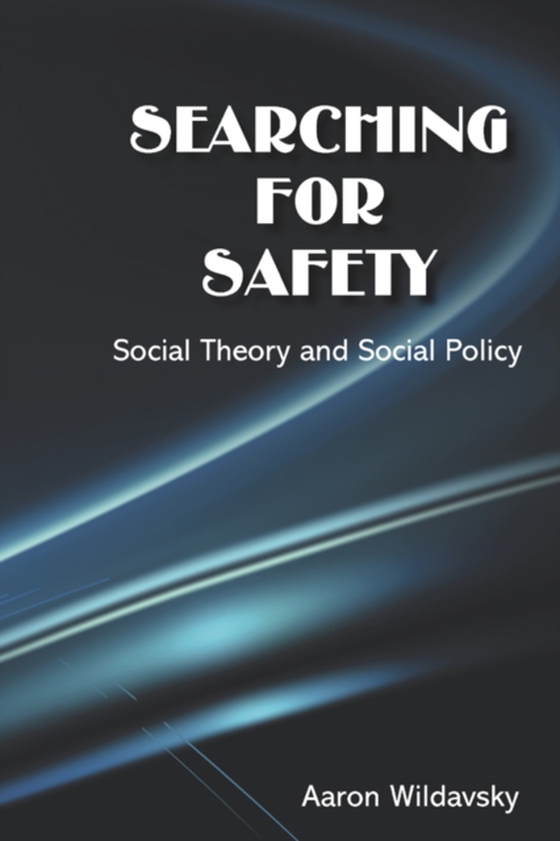
Searching for Safety e-bog
348,37 DKK
Protecting ourselves against the risks associated with modern technologies has emerged as a major public concern throughout the industrialized world. Searching for Safety is unique in its exposition of a theory that explains how and why risk taking makes life safer and exposes the high risk of avoiding change. The book covers a wide range, including how the human body, as well as plants, animals,…
Protecting ourselves against the risks associated with modern technologies has emerged as a major public concern throughout the industrialized world. Searching for Safety is unique in its exposition of a theory that explains how and why risk taking makes life safer and exposes the high risk of avoiding change. The book covers a wide range, including how the human body, as well as plants, animals, and insects, cope with danger. Wildavsky asks whether piling on safety measures actually improves safety. While he agrees that society should sometimes try to prevent large-scale harm, he explains why a strategy of resilience-learning from error how to bounce back in better shape-is usually better. His intention is to shift the debate about risk from passive prevention of harm to an active search for safety. This book will be of special interest to those concerned with risk involving technology, health, safety, environmental protection, regulation, and more.
E-bog
348,37 DKK
Forlag
Routledge
Udgivet
08.09.2017
Længde
272 sider
Genrer
JF
Sprog
English
Format
pdf
Beskyttelse
LCP
ISBN
9781351316231
Protecting ourselves against the risks associated with modern technologies has emerged as a major public concern throughout the industrialized world. Searching for Safety is unique in its exposition of a theory that explains how and why risk taking makes life safer and exposes the high risk of avoiding change. The book covers a wide range, including how the human body, as well as plants, animals, and insects, cope with danger. Wildavsky asks whether piling on safety measures actually improves safety. While he agrees that society should sometimes try to prevent large-scale harm, he explains why a strategy of resilience-learning from error how to bounce back in better shape-is usually better. His intention is to shift the debate about risk from passive prevention of harm to an active search for safety. This book will be of special interest to those concerned with risk involving technology, health, safety, environmental protection, regulation, and more.