 Dansk
Dansk


Taubmann, Wolfgang
(forfatter)
Rural China e-bog
436,85 DKK
This book reports the findings of two field studies conducted between 1993 and 2001 in seven townships and six provinces in China. The authors describe the process of rural urbanization and its related economic, social, and political changes by focusing mainly on the zhen (town), in addition to administrative offices and companies involved in the local economy, and village committees. The authors…
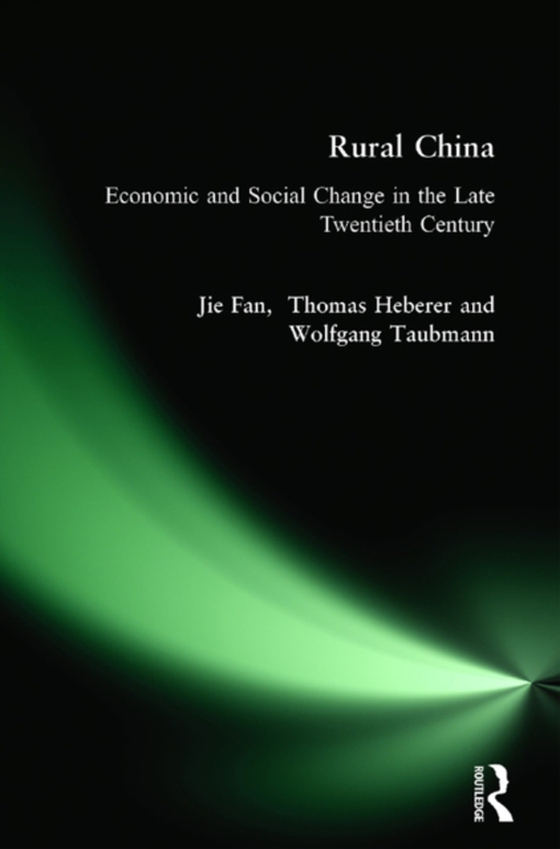
This book reports the findings of two field studies conducted between 1993 and 2001 in seven townships and six provinces in China. The authors describe the process of rural urbanization and its related economic, social, and political changes by focusing mainly on the zhen (town), in addition to administrative offices and companies involved in the local economy, and village committees. The authors show that the social changes resulting from China's economic reforms are occurring mainly from below, and that this process is also resulting in a weakening of the economic and political dominance of the central government. Other changes discussed in this study include the development of new ownership structures and the increasing dominance of the private sector; a shift in the functions of administrative offices as the bureaucracy becomes increasingly business oriented; the rise of a new local elite; a rebirth of traditional social structures (clans, local associations); and the emergence of new interest groups and institutions to represent their needs.
E-bog
436,85 DKK
Forlag
Routledge
Udgivet
15.05.2015
Længde
416 sider
Genrer
JFSF
Sprog
English
Format
pdf
Beskyttelse
LCP
ISBN
9781317460640
This book reports the findings of two field studies conducted between 1993 and 2001 in seven townships and six provinces in China. The authors describe the process of rural urbanization and its related economic, social, and political changes by focusing mainly on the zhen (town), in addition to administrative offices and companies involved in the local economy, and village committees. The authors show that the social changes resulting from China's economic reforms are occurring mainly from below, and that this process is also resulting in a weakening of the economic and political dominance of the central government. Other changes discussed in this study include the development of new ownership structures and the increasing dominance of the private sector; a shift in the functions of administrative offices as the bureaucracy becomes increasingly business oriented; the rise of a new local elite; a rebirth of traditional social structures (clans, local associations); and the emergence of new interest groups and institutions to represent their needs.