 Dansk
Dansk


Tobin, Brendan
(forfatter)
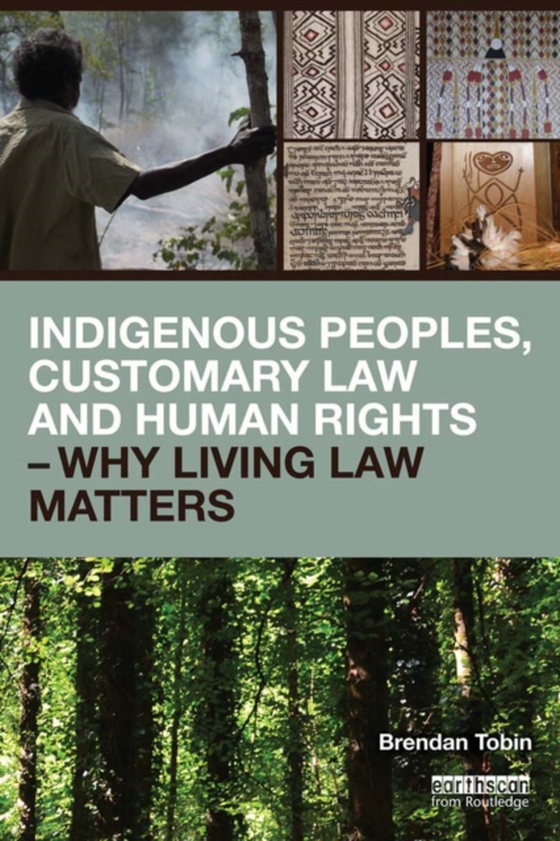
Indigenous Peoples, Customary Law and Human Rights - Why Living Law Matters e-bog
403,64 DKK
This highly original work demonstrates the fundamental role of customary law for the realization of Indigenous peoples' human rights and for sound national and international legal governance. The book reviews the legal status of customary law and its relationship with positive and natural law from the time of Plato up to the present. It examines its growing recognition in constitutional and inter…
This highly original work demonstrates the fundamental role of customary law for the realization of Indigenous peoples' human rights and for sound national and international legal governance. The book reviews the legal status of customary law and its relationship with positive and natural law from the time of Plato up to the present. It examines its growing recognition in constitutional and international law and its dependence on and at times strained relationship with human rights law. The author analyzes the role of customary law in tribal, national and international governance of Indigenous peoples' lands, resources and cultural heritage. He explores the challenges and opportunities for its recognition by courts and alternative dispute resolution mechanisms, including issues of proof of law and conflicts between customary practices and human rights. He throws light on the richness inherent in legal diversity and key principles of customary law and their influence in legal practice and on emerging notions of intercultural equity and justice. He concludes that Indigenous peoples' rights to their customary legal regimes and states' obligations to respect and recognize customary law, in order to secure their human rights, are principles of international customary law, and as such binding on all states. At a time when the self-determination, land, resources and cultural heritage of Indigenous peoples are increasingly under threat, this accessible book presents the key issues for both legal and non-legal scholars, practitioners, students of human rights and environmental justice, and Indigenous peoples themselves.
E-bog
403,64 DKK
Forlag
Routledge
Udgivet
27.08.2014
Længde
304 sider
Genrer
JFSL9
Sprog
English
Format
epub
Beskyttelse
LCP
ISBN
9781317697534
This highly original work demonstrates the fundamental role of customary law for the realization of Indigenous peoples' human rights and for sound national and international legal governance. The book reviews the legal status of customary law and its relationship with positive and natural law from the time of Plato up to the present. It examines its growing recognition in constitutional and international law and its dependence on and at times strained relationship with human rights law. The author analyzes the role of customary law in tribal, national and international governance of Indigenous peoples' lands, resources and cultural heritage. He explores the challenges and opportunities for its recognition by courts and alternative dispute resolution mechanisms, including issues of proof of law and conflicts between customary practices and human rights. He throws light on the richness inherent in legal diversity and key principles of customary law and their influence in legal practice and on emerging notions of intercultural equity and justice. He concludes that Indigenous peoples' rights to their customary legal regimes and states' obligations to respect and recognize customary law, in order to secure their human rights, are principles of international customary law, and as such binding on all states. At a time when the self-determination, land, resources and cultural heritage of Indigenous peoples are increasingly under threat, this accessible book presents the key issues for both legal and non-legal scholars, practitioners, students of human rights and environmental justice, and Indigenous peoples themselves.