 Dansk
Dansk


Mphande, David
(forfatter)
Oral Literature and Moral Education among the Lakeside Tonga of Northern Malawi e-bog
352,06 DKK
This is a book about the Tonga of Northern Malawi, sometimes called the Lakeshore Tonga to distinguish them from other ethnic groups with the same name further west in Central Africa. The Lakeshore Tonga were the first ethnic group to identify themselves with the Christian faith. The purpose of the research was to investigate the use of Tonga myths, folktales, proverbs and rituals for their role …
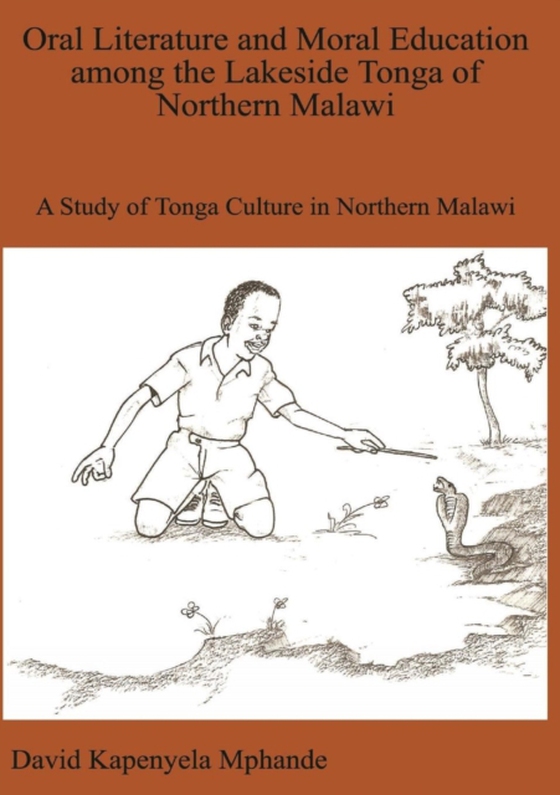
This is a book about the Tonga of Northern Malawi, sometimes called the Lakeshore Tonga to distinguish them from other ethnic groups with the same name further west in Central Africa. The Lakeshore Tonga were the first ethnic group to identify themselves with the Christian faith. The purpose of the research was to investigate the use of Tonga myths, folktales, proverbs and rituals for their role in Moral Education and assess and evaluate their contribution towards value formation for the youth. Each chapter in the book aims to discuss some ideas in the anthropology of religion and to illustrate them with specific case studies formed primarily through conversation with friends, both young and old, over some years.
E-bog
352,06 DKK
Forlag
Mzuni Press
Udgivet
25.10.2014
Længde
346 sider
Genrer
Sociology and anthropology
Sprog
English
Format
pdf
Beskyttelse
LCP
ISBN
9789990804041
This is a book about the Tonga of Northern Malawi, sometimes called the Lakeshore Tonga to distinguish them from other ethnic groups with the same name further west in Central Africa. The Lakeshore Tonga were the first ethnic group to identify themselves with the Christian faith. The purpose of the research was to investigate the use of Tonga myths, folktales, proverbs and rituals for their role in Moral Education and assess and evaluate their contribution towards value formation for the youth. Each chapter in the book aims to discuss some ideas in the anthropology of religion and to illustrate them with specific case studies formed primarily through conversation with friends, both young and old, over some years.