 Dansk
Dansk


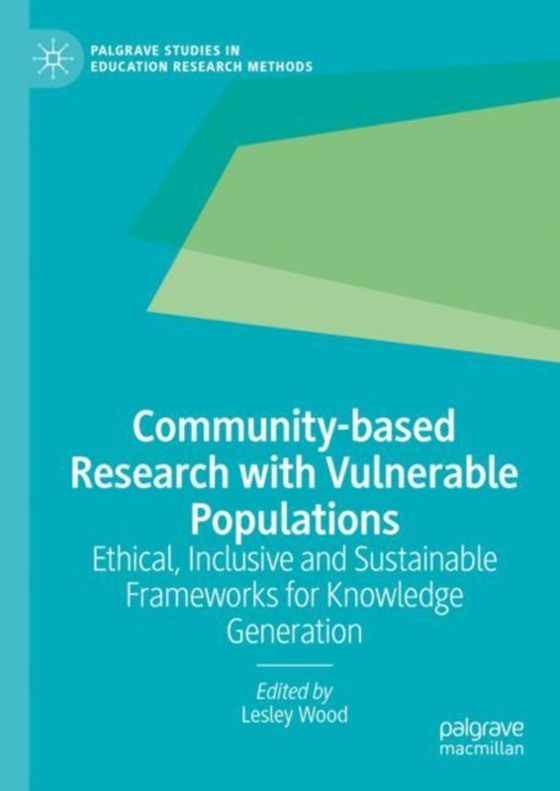
Community-based Research with Vulnerable Populations e-bog
1459,56 DKK
(ekskl. moms 1167,65 DKK)
This book advocates for community-based research with vulnerable populations within the field of higher education. The chapters outline how research can democratize knowledge generation to make it more accessible and socially relevant, and emphasizes the value of the lived and experiential knowledge of vulnerable and marginalized populations. Rooted in a critique of the current practices of highe…
This book advocates for community-based research with vulnerable populations within the field of higher education. The chapters outline how research can democratize knowledge generation to make it more accessible and socially relevant, and emphasizes the value of the lived and experiential knowledge of vulnerable and marginalized populations. Rooted in a critique of the current practices of higher education that fail to support participatory and transformative research, the research is structured at micro, macro and meso levels to ultimately emancipate colonized thinking of stakeholders about power, privilege and participation. Focusing primarily on various contexts within the Global South, the contributors argue that the time is ripe for community-based research which combines the theoretical knowledge of the academy with the local, experiential knowledge of those experiencing the consequences of social inequality to co-construct knowledge for change.
E-bog
1459,56 DKK
Forlag
Palgrave Macmillan
Udgivet
01.01.2022
Genrer
Sociology
Sprog
English
Format
epub
Beskyttelse
LCP
ISBN
9783030864026
This book advocates for community-based research with vulnerable populations within the field of higher education. The chapters outline how research can democratize knowledge generation to make it more accessible and socially relevant, and emphasizes the value of the lived and experiential knowledge of vulnerable and marginalized populations. Rooted in a critique of the current practices of higher education that fail to support participatory and transformative research, the research is structured at micro, macro and meso levels to ultimately emancipate colonized thinking of stakeholders about power, privilege and participation. Focusing primarily on various contexts within the Global South, the contributors argue that the time is ripe for community-based research which combines the theoretical knowledge of the academy with the local, experiential knowledge of those experiencing the consequences of social inequality to co-construct knowledge for change.