 Dansk
Dansk


Anderson, Eugene N.
(forfatter)
East Asian World-System e-bog
509,93 DKK
This book studies the East Asian world-system and its dynastic cycles as they were influenced by climate and demographic change, diseases, the expansion of trade, and the rise of science and technology. By studying the history of East Asia until the beginning of the 20th century and offering a comparative perspective on East Asian countries, including China, Japan and Korea, it describes the hist…
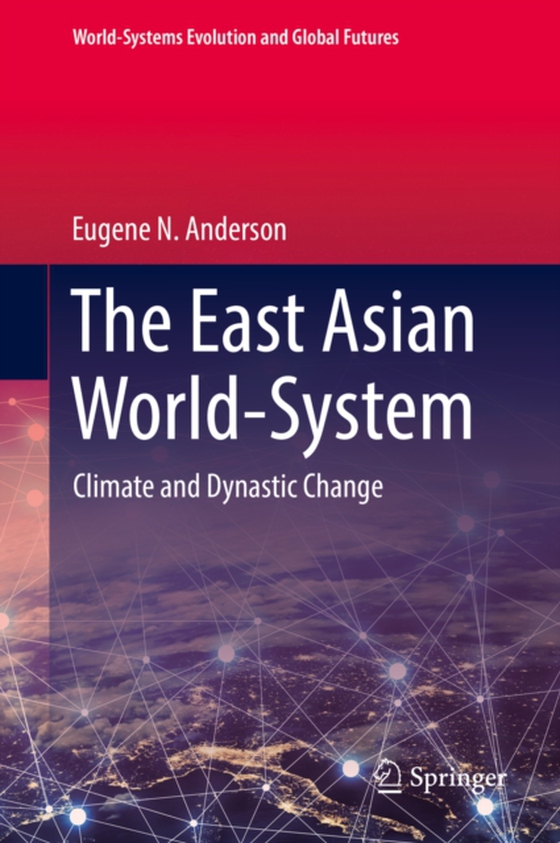
This book studies the East Asian world-system and its dynastic cycles as they were influenced by climate and demographic change, diseases, the expansion of trade, and the rise of science and technology. By studying the history of East Asia until the beginning of the 20th century and offering a comparative perspective on East Asian countries, including China, Japan and Korea, it describes the historical evolution of the East Asian world-system as being the result of good or poor management of the respective populations and environments. Lastly, the book discusses how the East Asian regions have become integrated into a single world-system by a combination of trade, commerce, and military action. Given its scope, the book will appeal to scholars of history, sociology, political science and environmental studies, and to anyone interested in learning about the effects of climate change on the dynamic development of societies.
E-bog
509,93 DKK
Forlag
Springer
Udgivet
04.06.2019
Genrer
Population and demography
Sprog
English
Format
epub
Beskyttelse
LCP
ISBN
9783030168704
This book studies the East Asian world-system and its dynastic cycles as they were influenced by climate and demographic change, diseases, the expansion of trade, and the rise of science and technology. By studying the history of East Asia until the beginning of the 20th century and offering a comparative perspective on East Asian countries, including China, Japan and Korea, it describes the historical evolution of the East Asian world-system as being the result of good or poor management of the respective populations and environments. Lastly, the book discusses how the East Asian regions have become integrated into a single world-system by a combination of trade, commerce, and military action. Given its scope, the book will appeal to scholars of history, sociology, political science and environmental studies, and to anyone interested in learning about the effects of climate change on the dynamic development of societies.