 Dansk
Dansk


Reynolds, Julia Moorhead
(redaktør)
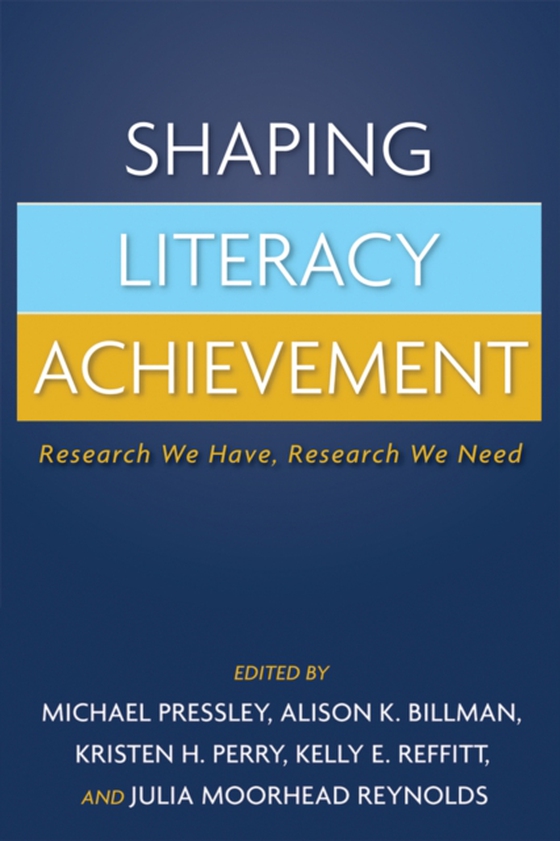
Shaping Literacy Achievement e-bog
1167,65 DKK
In the era of No Child Left Behind, what literacy research is still needed? How should it be conducted? And what role does research play in determining the kinds of literacy experiences that actually take place in classrooms? This forward-thinking book brings together leading authorities to address these vital and hotly debated questions. Contributors analyze the existing knowledge on core aspect…
In the era of No Child Left Behind, what literacy research is still needed? How should it be conducted? And what role does research play in determining the kinds of literacy experiences that actually take place in classrooms? This forward-thinking book brings together leading authorities to address these vital and hotly debated questions. Contributors analyze the existing knowledge on core aspects of literacy education, describe how science is currently informing practice, and identify important methodological challenges and research directions. A highlight of the book is a chapter in which Michael Pressley offers an insightful critique of Reading First as well as practical recommendations for improving future policies.
E-bog
1167,65 DKK
Forlag
The Guilford Press
Udgivet
08.09.2015
Længde
258 sider
Genrer
Education
Sprog
English
Format
pdf
Beskyttelse
LCP
ISBN
9781462524969
In the era of No Child Left Behind, what literacy research is still needed? How should it be conducted? And what role does research play in determining the kinds of literacy experiences that actually take place in classrooms? This forward-thinking book brings together leading authorities to address these vital and hotly debated questions. Contributors analyze the existing knowledge on core aspects of literacy education, describe how science is currently informing practice, and identify important methodological challenges and research directions. A highlight of the book is a chapter in which Michael Pressley offers an insightful critique of Reading First as well as practical recommendations for improving future policies.