 Dansk
Dansk


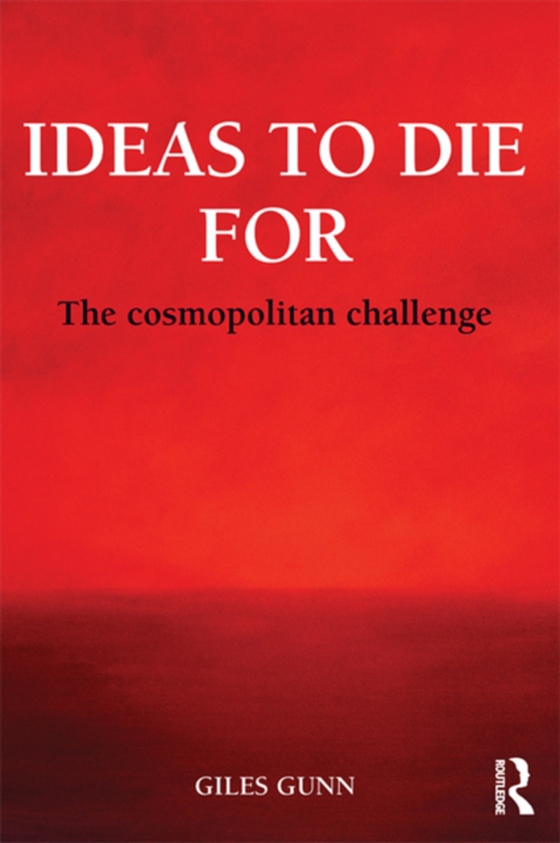
Ideas to Die For e-bog
504,55 DKK
(ekskl. moms 403,64 DKK)
Cosmopolitanism and Its Discontents seeks to address the kinds of challenges that cosmopolitan perspectives and practices face in a world organized increasingly in relation to a proliferating series of global absolutisms - religious, political, social, and economic. While these challenges are often used to support the claim that cosmopolitanism is impotent to resist such totalizing ideologies bec…
Cosmopolitanism and Its Discontents seeks to address the kinds of challenges that cosmopolitan perspectives and practices face in a world organized increasingly in relation to a proliferating series of global absolutisms - religious, political, social, and economic. While these challenges are often used to support the claim that cosmopolitanism is impotent to resist such totalizing ideologies because it is either a Western conceit or a globalist fiction, Gunn argues that cosmopolitanism is neither. Situating his discussion in an emphatically global context, Gunn shows how cosmopolitanism has been effective in resisting such essentialisms and authoritarianisms precisely because it is more pragmatic than prescriptive, more self-critical than self-interested and finds several of its foremost recent expressions in the work of an Indian philosopher, a Palestinian writer, and South African story-tellers. This kind of cosmopolitanism offers a genuine ethical alternative to the politics of dogmatism and extremism because it is grounded on a new delineation of the human and opens toward a new, indeed, an "e;other,"e; humanism.
E-bog
504,55 DKK
Forlag
Routledge
Udgivet
12.04.2013
Længde
184 sider
Genrer
Politics and government
Sprog
English
Format
epub
Beskyttelse
LCP
ISBN
9781135915728
Cosmopolitanism and Its Discontents seeks to address the kinds of challenges that cosmopolitan perspectives and practices face in a world organized increasingly in relation to a proliferating series of global absolutisms - religious, political, social, and economic. While these challenges are often used to support the claim that cosmopolitanism is impotent to resist such totalizing ideologies because it is either a Western conceit or a globalist fiction, Gunn argues that cosmopolitanism is neither. Situating his discussion in an emphatically global context, Gunn shows how cosmopolitanism has been effective in resisting such essentialisms and authoritarianisms precisely because it is more pragmatic than prescriptive, more self-critical than self-interested and finds several of its foremost recent expressions in the work of an Indian philosopher, a Palestinian writer, and South African story-tellers. This kind of cosmopolitanism offers a genuine ethical alternative to the politics of dogmatism and extremism because it is grounded on a new delineation of the human and opens toward a new, indeed, an "e;other,"e; humanism.