 Dansk
Dansk


Franklin, M.I.
(redaktør)
Resounding International Relations e-bog
436,85 DKK
This book explores a provocative area of inquiry for critical theory and research into world politics and popular culture: music. Not just because political science barely engages with anything musical, but also because it is clear that many opportunities for critical scholarship and reflection on global politics and economics are present in the spaces and relationships created by organized sound…
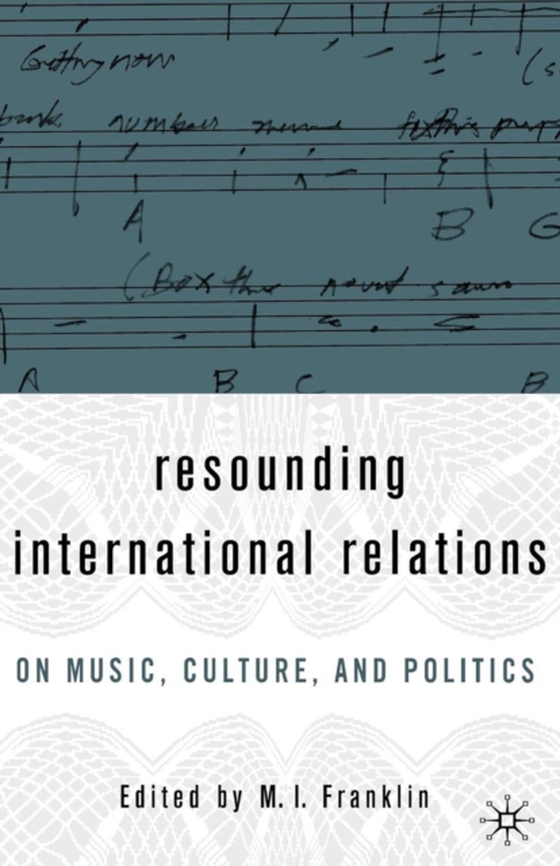
This book explores a provocative area of inquiry for critical theory and research into world politics and popular culture: music. Not just because political science barely engages with anything musical, but also because it is clear that many opportunities for critical scholarship and reflection on global politics and economics are present in the spaces and relationships created by organized sound. It is easy to focus on the textual elements of music, but there is more at stake than just the words. Critical reflection on the intersections between music and politics also need to take into account the visceral and non-verbal elements such as counterpoint and harmony, polyphony and dissonance, noise, rhymes, rhythms, performance and the visual/aural dimensions to music-making.
E-bog
436,85 DKK
Forlag
Palgrave Macmillan
Udgivet
23.09.2016
Genrer
Political science and theory
Sprog
English
Format
pdf
Beskyttelse
LCP
ISBN
9781137056177
This book explores a provocative area of inquiry for critical theory and research into world politics and popular culture: music. Not just because political science barely engages with anything musical, but also because it is clear that many opportunities for critical scholarship and reflection on global politics and economics are present in the spaces and relationships created by organized sound. It is easy to focus on the textual elements of music, but there is more at stake than just the words. Critical reflection on the intersections between music and politics also need to take into account the visceral and non-verbal elements such as counterpoint and harmony, polyphony and dissonance, noise, rhymes, rhythms, performance and the visual/aural dimensions to music-making.