 Dansk
Dansk


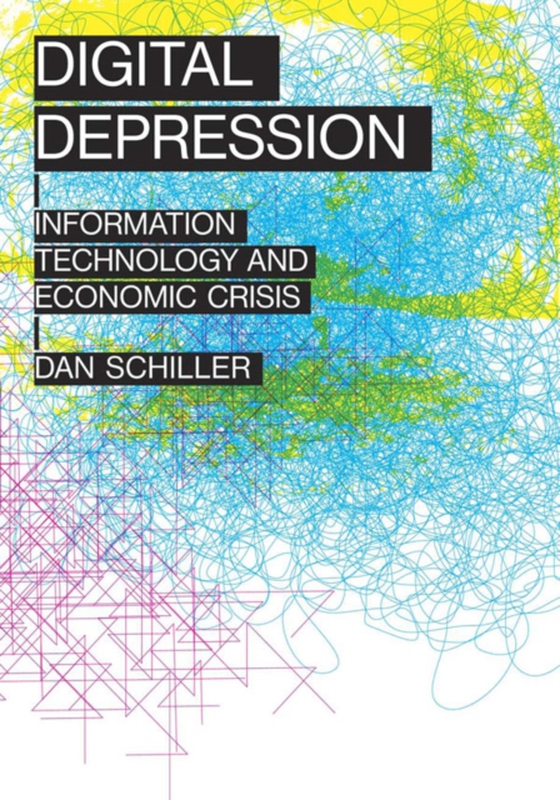
Dan Schiller, Schiller
(forfatter)
Digital Depression e-bog
169,58 DKK
The financial crisis of 2007-08 shook the idea that advanced information and communications technologies (ICTs) as solely a source of economic rejuvenation and uplift, instead introducing the world to the once-unthinkable idea of a technological revolution wrapped inside an economic collapse. In Digital Depression, Dan Schiller delves into the ways networked systems and ICTs have transformed glob…
The financial crisis of 2007-08 shook the idea that advanced information and communications technologies (ICTs) as solely a source of economic rejuvenation and uplift, instead introducing the world to the once-unthinkable idea of a technological revolution wrapped inside an economic collapse. In Digital Depression, Dan Schiller delves into the ways networked systems and ICTs have transformed global capitalism during the so-called Great Recession. He focuses on capitalism's crisis tendencies to confront the contradictory matrix of a technological revolution and economic stagnation making up the current political economy and demonstrates digital technology's central role in the global political economy. As he shows, the forces at the core of capitalism--exploitation, commodification, and inequality--are ongoing and accelerating within the networked political economy.
E-bog
169,58 DKK
Forlag
University of Illinois Press
Udgivet
15.10.2014
Længde
344 sider
Genrer
Political economy
Sprog
English
Format
epub
Beskyttelse
LCP
ISBN
9780252096716
The financial crisis of 2007-08 shook the idea that advanced information and communications technologies (ICTs) as solely a source of economic rejuvenation and uplift, instead introducing the world to the once-unthinkable idea of a technological revolution wrapped inside an economic collapse. In Digital Depression, Dan Schiller delves into the ways networked systems and ICTs have transformed global capitalism during the so-called Great Recession. He focuses on capitalism's crisis tendencies to confront the contradictory matrix of a technological revolution and economic stagnation making up the current political economy and demonstrates digital technology's central role in the global political economy. As he shows, the forces at the core of capitalism--exploitation, commodification, and inequality--are ongoing and accelerating within the networked political economy.