 Dansk
Dansk


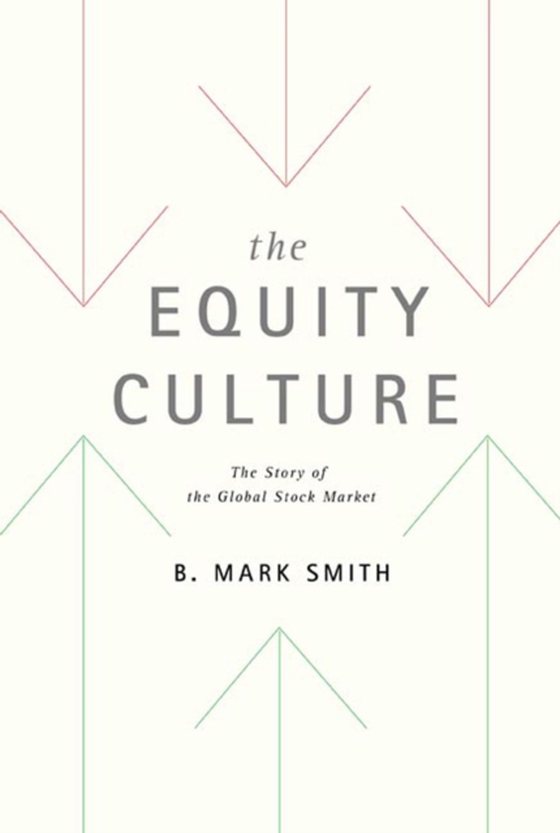
Smith, B. Mark
(forfatter)
Equity Culture e-bog
81,03 DKK
An Expert Chronicle of the Market's Ever-Growing Role WorldwideThe modern stock market, B. Mark Smith's new book makes clear, is only one component of a much broader "e;equity culture"e;-a lively and complex international market involving stocks, bonds, mutual funds; joint stock and limited liability corporations; and trading in grain, gold, diamonds, and currency.The Equity Culture is th…
An Expert Chronicle of the Market's Ever-Growing Role WorldwideThe modern stock market, B. Mark Smith's new book makes clear, is only one component of a much broader "e;equity culture"e;-a lively and complex international market involving stocks, bonds, mutual funds; joint stock and limited liability corporations; and trading in grain, gold, diamonds, and currency.The Equity Culture is the story of how that market came about-from shipping magnates banding together in eighteenth-century India to the railroad robber barons of nineteenth-century America to currency traders such as George Soros. Smith's spirited and colorful telling makes two points especially clear: that the equity culture has always been international, with globalization as merely its current phase; and that the equity culture is often surprisingly self-adjusting, with "e;manias, panics, and crashes"e; making possible ever greater risk and innovation.
E-bog
81,03 DKK
Forlag
Farrar, Straus and Giroux
Udgivet
04.08.2015
Længde
352 sider
Genrer
Economic history
Sprog
English
Format
epub
Beskyttelse
LCP
ISBN
9781466894303
An Expert Chronicle of the Market's Ever-Growing Role WorldwideThe modern stock market, B. Mark Smith's new book makes clear, is only one component of a much broader "e;equity culture"e;-a lively and complex international market involving stocks, bonds, mutual funds; joint stock and limited liability corporations; and trading in grain, gold, diamonds, and currency.The Equity Culture is the story of how that market came about-from shipping magnates banding together in eighteenth-century India to the railroad robber barons of nineteenth-century America to currency traders such as George Soros. Smith's spirited and colorful telling makes two points especially clear: that the equity culture has always been international, with globalization as merely its current phase; and that the equity culture is often surprisingly self-adjusting, with "e;manias, panics, and crashes"e; making possible ever greater risk and innovation.