 Dansk
Dansk


Fan, Wenliang
(forfatter)
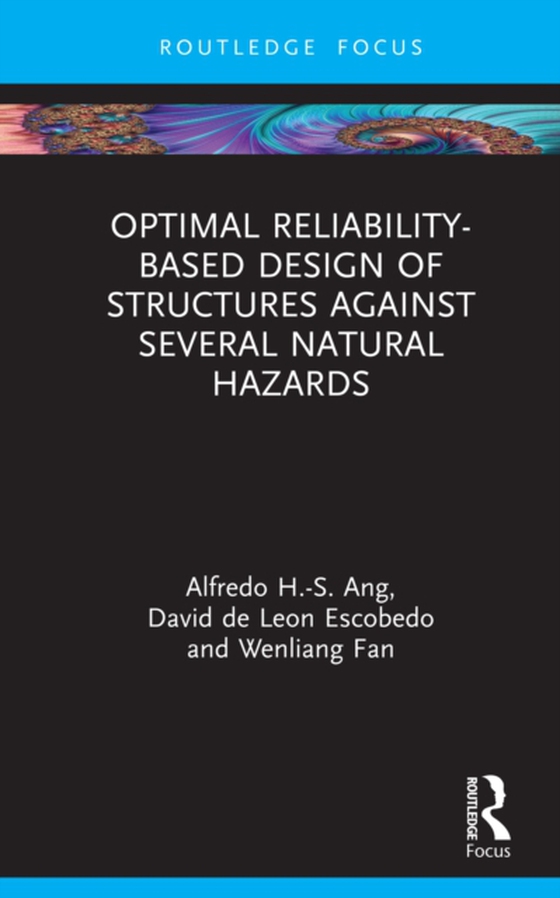
Optimal Reliability-Based Design of Structures Against Several Natural Hazards e-bog
177,19 DKK
Interest in the topic of structural reliability and optimal design has been rapidly growing in recent years. Besides, the field of numerical methods and artificial intelligence is experiencing a surge of new methods and the refinement of existing ones to expand opportunities to apply robust formulations to complex engineering problems. Today, more than ever, the field is receiving fresh ideas on …
Interest in the topic of structural reliability and optimal design has been rapidly growing in recent years. Besides, the field of numerical methods and artificial intelligence is experiencing a surge of new methods and the refinement of existing ones to expand opportunities to apply robust formulations to complex engineering problems. Today, more than ever, the field is receiving fresh ideas on how to face the challenges of finding a balance between cost and benefits that may lead towards the optimal design of systems. Recently, the probability density evolution method (PDEM) was proposed by Prof. Jie Li as an alternative way to obtain the stochastic and dynamic solution of the safety level of engineering systems under any kind of hazard. This work deals with the application of this powerful method to derive optimal design recommendations for large engineering systems under natural hazards. The three case studies illustrate to engineers and academic specialists how to strike a cost-effective balance in designing such systems.
E-bog
177,19 DKK
Forlag
CRC Press
Udgivet
09.08.2021
Længde
80 sider
Genrer
KNAT
Sprog
English
Format
epub
Beskyttelse
LCP
ISBN
9781000461824
Interest in the topic of structural reliability and optimal design has been rapidly growing in recent years. Besides, the field of numerical methods and artificial intelligence is experiencing a surge of new methods and the refinement of existing ones to expand opportunities to apply robust formulations to complex engineering problems. Today, more than ever, the field is receiving fresh ideas on how to face the challenges of finding a balance between cost and benefits that may lead towards the optimal design of systems. Recently, the probability density evolution method (PDEM) was proposed by Prof. Jie Li as an alternative way to obtain the stochastic and dynamic solution of the safety level of engineering systems under any kind of hazard. This work deals with the application of this powerful method to derive optimal design recommendations for large engineering systems under natural hazards. The three case studies illustrate to engineers and academic specialists how to strike a cost-effective balance in designing such systems.