 Dansk
Dansk


Buckley, Lucy-Ann
(forfatter)
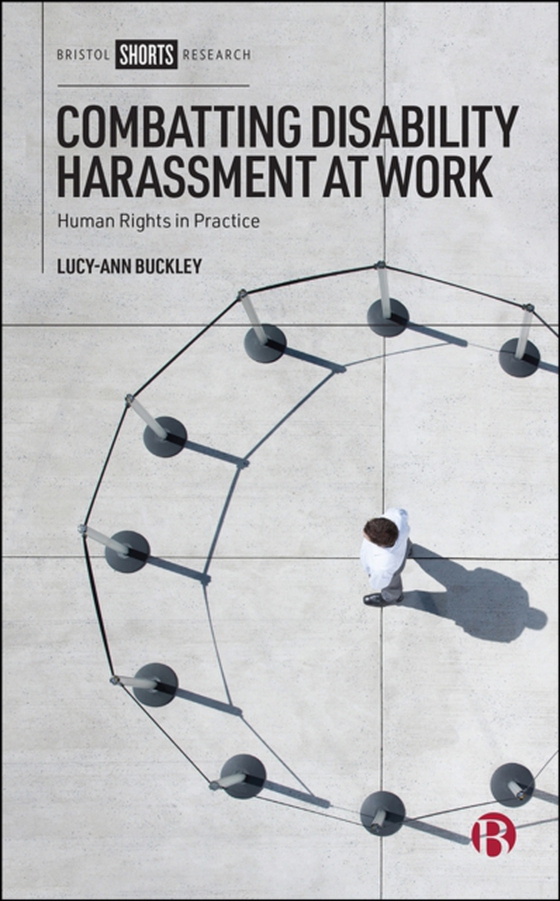
Combatting Disability Harassment at Work e-bog
154,35 DKK
Persons with disabilities report high levels of harassment worldwide, often based on intersectional characteristics such as race, gender and age. However, while #MeToo and #BlackLivesMatter have highlighted ongoing experiences of sexual and racial harassment, disability harassment has received little attention. This book focuses on legal measures to combat disability harassment at work. It sets…
Persons with disabilities report high levels of harassment worldwide, often based on intersectional characteristics such as race, gender and age. However, while #MeToo and #BlackLivesMatter have highlighted ongoing experiences of sexual and racial harassment, disability harassment has received little attention. This book focuses on legal measures to combat disability harassment at work. It sets disability harassment in its international context, including its human rights framework, and confronts the lack of empirical information by evaluating the Irish legal framework in practice. It explores the capacity of the law to address intersectional harassment, particularly that faced by women with disabilities, and outlines the barriers to effective legal solutions.
E-bog
154,35 DKK
Forlag
Bristol University Press
Udgivet
22.09.2022
Længde
204 sider
Genrer
Law and society, sociology of law
Sprog
English
Format
epub
Beskyttelse
LCP
ISBN
9781529223798
Persons with disabilities report high levels of harassment worldwide, often based on intersectional characteristics such as race, gender and age. However, while #MeToo and #BlackLivesMatter have highlighted ongoing experiences of sexual and racial harassment, disability harassment has received little attention. This book focuses on legal measures to combat disability harassment at work. It sets disability harassment in its international context, including its human rights framework, and confronts the lack of empirical information by evaluating the Irish legal framework in practice. It explores the capacity of the law to address intersectional harassment, particularly that faced by women with disabilities, and outlines the barriers to effective legal solutions.