 Dansk
Dansk


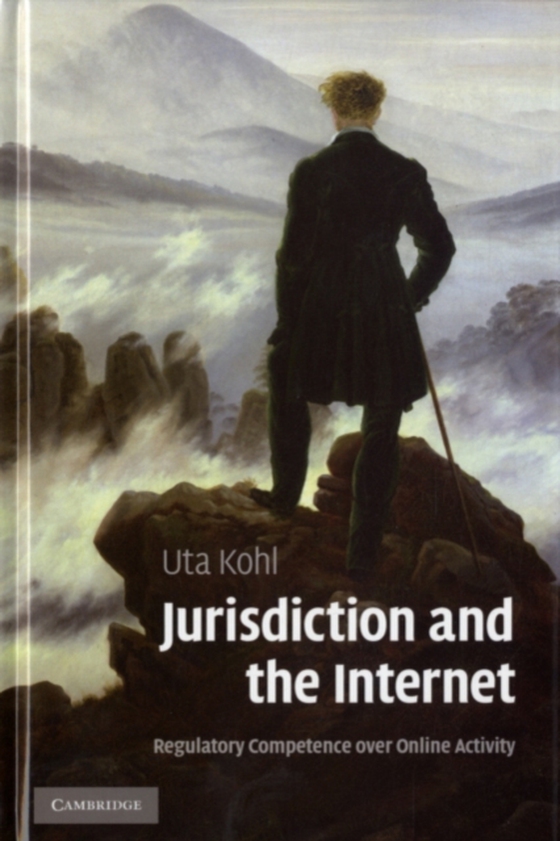
Kohl, Uta
(forfatter)
Jurisdiction and the Internet e-bog
1021,49 DKK
Which state has and should have the right and power to regulate sites and online events? Who can apply their defamation or contract law, obscenity standards, gambling or banking regulation, pharmaceutical licensing requirements or hate speech prohibitions to any particular Internet activity? Traditionally, transnational activity has been 'shared out' between national sovereigns with the aid of lo…
Which state has and should have the right and power to regulate sites and online events? Who can apply their defamation or contract law, obscenity standards, gambling or banking regulation, pharmaceutical licensing requirements or hate speech prohibitions to any particular Internet activity? Traditionally, transnational activity has been 'shared out' between national sovereigns with the aid of location-centric rules which can be adjusted to the transnational Internet. But can these allocation rules be stretched indefinitely, and what are the costs for online actors and for states themselves of squeezing global online activity into nation-state law? Does the future of online regulation lie in global legal harmonisation or is it a cyberspace that increasingly mirrors the national borders of the offline world? This book offers some uncomfortable insights into one of the most important debates on Internet governance.
E-bog
1021,49 DKK
Forlag
Cambridge University Press
Udgivet
23.01.2008
Genrer
E-commerce law
Sprog
English
Format
pdf
Beskyttelse
LCP
ISBN
9780511363795
Which state has and should have the right and power to regulate sites and online events? Who can apply their defamation or contract law, obscenity standards, gambling or banking regulation, pharmaceutical licensing requirements or hate speech prohibitions to any particular Internet activity? Traditionally, transnational activity has been 'shared out' between national sovereigns with the aid of location-centric rules which can be adjusted to the transnational Internet. But can these allocation rules be stretched indefinitely, and what are the costs for online actors and for states themselves of squeezing global online activity into nation-state law? Does the future of online regulation lie in global legal harmonisation or is it a cyberspace that increasingly mirrors the national borders of the offline world? This book offers some uncomfortable insights into one of the most important debates on Internet governance.