 Dansk
Dansk


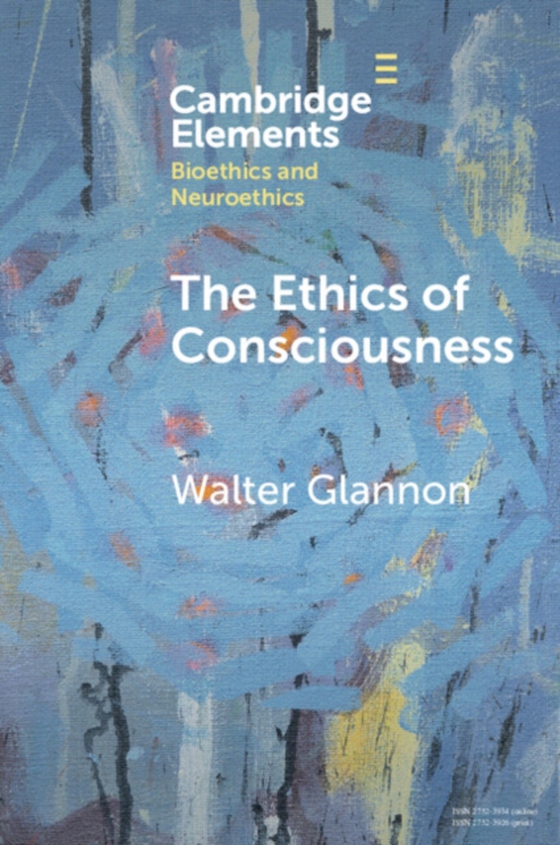
Glannon, Walter
(forfatter)
Ethics of Consciousness e-bog
165,78 DKK
This Element examines the main ethical aspects of consciousness It argues that consciousness is not intrinsically valuable but has value or disvalue for individuals depending on its phenomenology (what it is like to be aware) and content (what one is aware of). These two components of awareness shape normative judgments about how ordered, disordered, altered, restored, diminished and suppressed …
This Element examines the main ethical aspects of consciousness It argues that consciousness is not intrinsically valuable but has value or disvalue for individuals depending on its phenomenology (what it is like to be aware) and content (what one is aware of). These two components of awareness shape normative judgments about how ordered, disordered, altered, restored, diminished and suppressed conscious states can benefit or harm individuals. They also influence moral judgments about whether intentionally causing these states is permissible or impermissible and how these states can affect behavior. After describing its neurobiological basis, this Element discusses ethical and legal issues in six categories of consciousness: phenomenal and access consciousness; intraoperative awareness; prolonged disorders of consciousness, dissociative disorders, the role of consciousness in determining death; and altering and suppressing awareness near the end of life.
E-bog
165,78 DKK
Forlag
Cambridge University Press
Udgivet
29.06.2022
Genrer
Medical ethics and professional conduct
Sprog
English
Format
pdf
Beskyttelse
LCP
ISBN
9781009085441
This Element examines the main ethical aspects of consciousness It argues that consciousness is not intrinsically valuable but has value or disvalue for individuals depending on its phenomenology (what it is like to be aware) and content (what one is aware of). These two components of awareness shape normative judgments about how ordered, disordered, altered, restored, diminished and suppressed conscious states can benefit or harm individuals. They also influence moral judgments about whether intentionally causing these states is permissible or impermissible and how these states can affect behavior. After describing its neurobiological basis, this Element discusses ethical and legal issues in six categories of consciousness: phenomenal and access consciousness; intraoperative awareness; prolonged disorders of consciousness, dissociative disorders, the role of consciousness in determining death; and altering and suppressing awareness near the end of life.