 Dansk
Dansk


Paller, Michael
(redaktør)
Trace Elements in Waterlogged Soils and Sediments e-bog
692,63 DKK
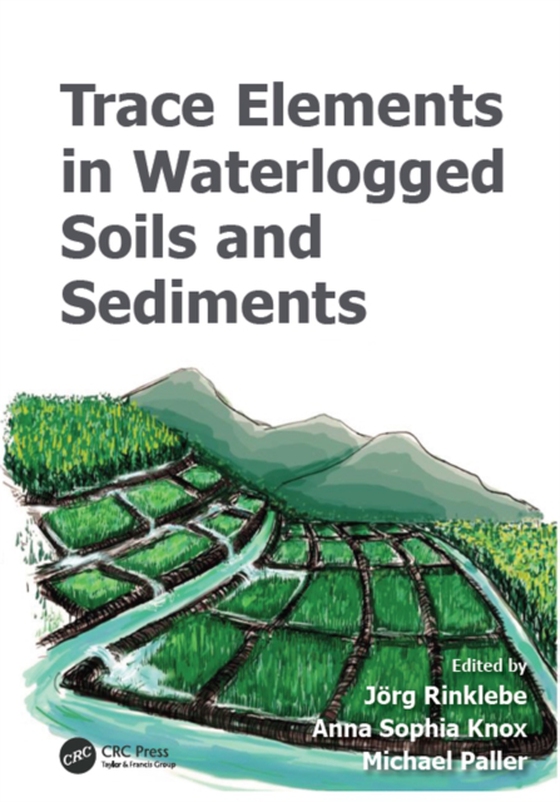
Many wetlands around the world act as sinks for pollutants, in particular for trace elements. In comparison to terrestrial environments, wetlands are still far less studied. A collaborative effort among world experts, this book brings the current knowledge concerning trace elements in temporary waterlogged soils and sediments together. It discusses factors controlling the dynamics and release kin…
Many wetlands around the world act as sinks for pollutants, in particular for trace elements. In comparison to terrestrial environments, wetlands are still far less studied. A collaborative effort among world experts, this book brings the current knowledge concerning trace elements in temporary waterlogged soils and sediments together. It discusses factors controlling the dynamics and release kinetics of trace elements and their underlying biogeochemical processes. It also discusses current technologies for remediating sites contaminated with trace metals, and the role of bioavailability in risk assessment and regulatory decision making. This book is intended for professionals around the world in disciplines related to contaminant bioavailability in aquatic organisms, contaminant fate and transport, remediation technologies, and risk assessment of aquatic and wetland ecosystems.
E-bog
692,63 DKK
Forlag
CRC Press
Udgivet
19.08.2016
Længde
386 sider
Genrer
MMR
Sprog
English
Format
epub
Beskyttelse
LCP
ISBN
9781315355641
Many wetlands around the world act as sinks for pollutants, in particular for trace elements. In comparison to terrestrial environments, wetlands are still far less studied. A collaborative effort among world experts, this book brings the current knowledge concerning trace elements in temporary waterlogged soils and sediments together. It discusses factors controlling the dynamics and release kinetics of trace elements and their underlying biogeochemical processes. It also discusses current technologies for remediating sites contaminated with trace metals, and the role of bioavailability in risk assessment and regulatory decision making. This book is intended for professionals around the world in disciplines related to contaminant bioavailability in aquatic organisms, contaminant fate and transport, remediation technologies, and risk assessment of aquatic and wetland ecosystems.