 Dansk
Dansk


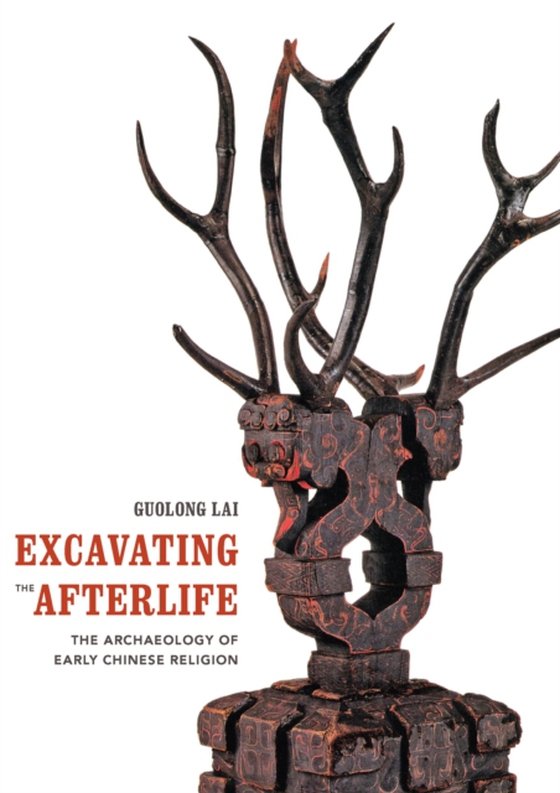
Excavating the Afterlife e-bog
820,11 DKK
(ekskl. moms 656,09 DKK)
In Excavating the Afterlife, Guolong Lai explores the dialectical relationship between sociopolitical change and mortuary religion from an archaeological perspective. By examining burial structure, grave goods, and religious documents unearthed from groups of well-preserved tombs in southern China, Lai shows that new attitudes toward the dead, resulting from the trauma of violent political strugg…
In Excavating the Afterlife, Guolong Lai explores the dialectical relationship between sociopolitical change and mortuary religion from an archaeological perspective. By examining burial structure, grave goods, and religious documents unearthed from groups of well-preserved tombs in southern China, Lai shows that new attitudes toward the dead, resulting from the trauma of violent political struggle and warfare, permanently altered the early Chinese conceptions of this world and the afterlife. The book grounds the important changes in religious beliefs and ritual practices firmly in the sociopolitical transition from the Warring States (ca. 453221 BCE) to the early empires (3rd century1st century BCE). A methodologically sophisticated synthesis of archaeological, art historical, and textual sources, Excavating the Afterlife will be of interest to art historians, archaeologists, and textual scholars of China, as well as to students of comparative religions.Art History Publication Initiative. For more information, visit http://arthistorypi.org/books/excavating-the-afterlifeHonorable Mention for the 2016 Society for American Archaeology Book Award in the Scholarly Category
E-bog
820,11 DKK
Udgivet
02.03.2015
Længde
320 sider
Genrer
Asian history
Sprog
English
Format
epub
Beskyttelse
LCP
ISBN
9780295805702
In Excavating the Afterlife, Guolong Lai explores the dialectical relationship between sociopolitical change and mortuary religion from an archaeological perspective. By examining burial structure, grave goods, and religious documents unearthed from groups of well-preserved tombs in southern China, Lai shows that new attitudes toward the dead, resulting from the trauma of violent political struggle and warfare, permanently altered the early Chinese conceptions of this world and the afterlife. The book grounds the important changes in religious beliefs and ritual practices firmly in the sociopolitical transition from the Warring States (ca. 453221 BCE) to the early empires (3rd century1st century BCE). A methodologically sophisticated synthesis of archaeological, art historical, and textual sources, Excavating the Afterlife will be of interest to art historians, archaeologists, and textual scholars of China, as well as to students of comparative religions.Art History Publication Initiative. For more information, visit http://arthistorypi.org/books/excavating-the-afterlifeHonorable Mention for the 2016 Society for American Archaeology Book Award in the Scholarly Category