 Dansk
Dansk


The Hammerum Burial Site (Jysk Arkæologisk Selskabs Skrifter #103) e-bog
146,52 DKK
(ekskl. moms 117,22 DKK)
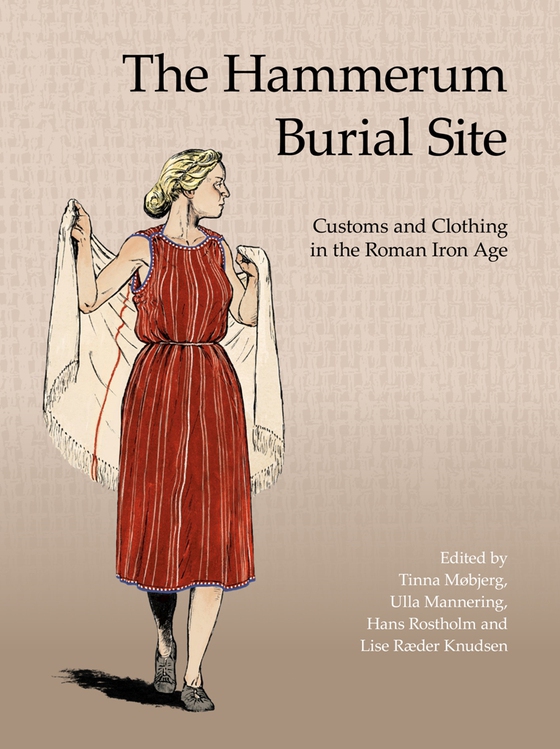
The book: "The Hammerum Burial Site" is the story of a burial site told by more than 20 academics; a fascinating combination of different archaeological and scientific studies analyzing individuals, objects and context from different angles.
The site was named after the small modern-day town of Hammerum, 5 km east of Herning in the central part of Jutland, Denmark. As early as 1993 the museum in…
The book: "The Hammerum Burial Site" is the story of a burial site told by more than 20 academics; a fascinating combination of different archaeological and scientific studies analyzing individuals, objects and context from different angles.
The site was named after the small modern-day town of Hammerum, 5 km east of Herning in the central part of Jutland, Denmark. As early as 1993 the museum investigated this burial site, where seven inhumation graves emerged within a small area, most of which turned out to be empty of finds. Three of the graves did turn out, however, to contain well preserved organic material, so they were removed as block samples in large wooden crates with a view to later excavation.
E-bog
146,52 DKK
Undertitel
Customs and Clothing in the Roman Iron Age
Forlag
Aarhus Universitetsforlag
Udgivet
02.09.2019
Længde
225 sider
Genrer
Archaeology
Nummer i serie
103
Sprog
English
Format
epub
Beskyttelse
Vandmærket
ISBN
9788793423381
The book: "The Hammerum Burial Site" is the story of a burial site told by more than 20 academics; a fascinating combination of different archaeological and scientific studies analyzing individuals, objects and context from different angles.
The site was named after the small modern-day town of Hammerum, 5 km east of Herning in the central part of Jutland, Denmark. As early as 1993 the museum investigated this burial site, where seven inhumation graves emerged within a small area, most of which turned out to be empty of finds. Three of the graves did turn out, however, to contain well preserved organic material, so they were removed as block samples in large wooden crates with a view to later excavation.