 Dansk
Dansk


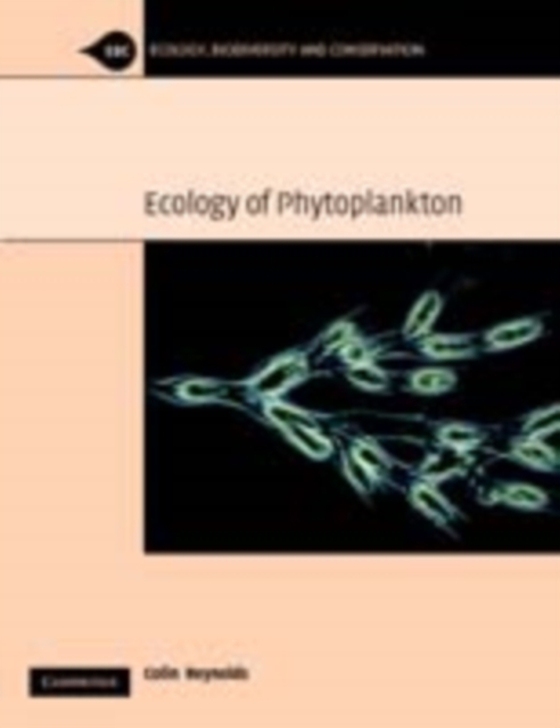
Ecology of Phytoplankton e-bog
1002,81 DKK
(ekskl. moms 802,25 DKK)
Communities of microscopic plant life, or phytoplankton, dominate the Earth's aquatic ecosystems. This important new book by Colin Reynolds covers the adaptations, physiology and population dynamics of phytoplankton communities in lakes and rivers and oceans. It provides basic information on composition, morphology and physiology of the main phyletic groups represented in marine and freshwater sy…
Communities of microscopic plant life, or phytoplankton, dominate the Earth's aquatic ecosystems. This important new book by Colin Reynolds covers the adaptations, physiology and population dynamics of phytoplankton communities in lakes and rivers and oceans. It provides basic information on composition, morphology and physiology of the main phyletic groups represented in marine and freshwater systems and in addition reviews recent advances in community ecology, developing an appreciation of assembly processes, co-existence and competition, disturbance and diversity. Although focussed on one group of organisms, the book develops many concepts relevant to ecology in the broadest sense, and as such will appeal to graduate students and researchers in ecology, limnology and oceanography.
E-bog
1002,81 DKK
Forlag
Cambridge University Press
Udgivet
06.06.2006
Genrer
Ecological science, the Biosphere
Sprog
English
Format
pdf
Beskyttelse
LCP
ISBN
9780511189982
Communities of microscopic plant life, or phytoplankton, dominate the Earth's aquatic ecosystems. This important new book by Colin Reynolds covers the adaptations, physiology and population dynamics of phytoplankton communities in lakes and rivers and oceans. It provides basic information on composition, morphology and physiology of the main phyletic groups represented in marine and freshwater systems and in addition reviews recent advances in community ecology, developing an appreciation of assembly processes, co-existence and competition, disturbance and diversity. Although focussed on one group of organisms, the book develops many concepts relevant to ecology in the broadest sense, and as such will appeal to graduate students and researchers in ecology, limnology and oceanography.