 Dansk
Dansk


Jenner, Ronald A.
(forfatter)
Ancestors in Evolutionary Biology e-bog
509,93 DKK
Phylogenetics emerged in the second half of the nineteenth century as a speculative storytelling discipline dedicated to providing narrative explanations for the evolution of taxa and their traits. It coincided with lineage thinking, a process that mentally traces character evolution along lineages of hypothetical ancestors. Ancestors in Evolutionary Biology traces the history of narrative phylog…
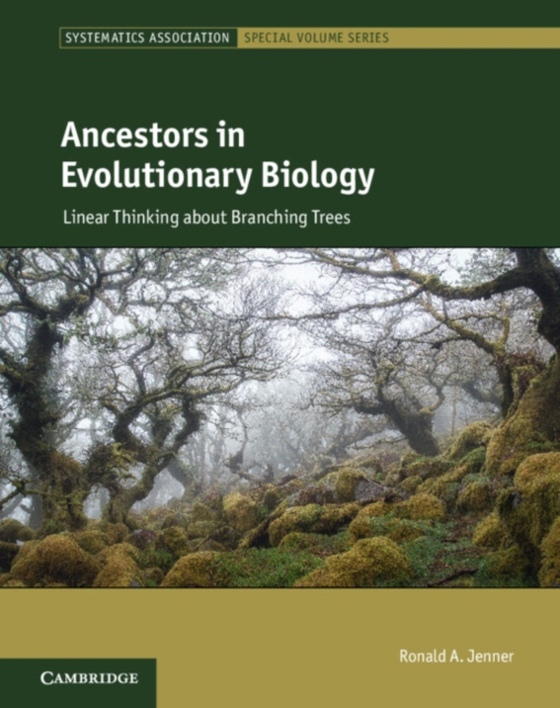
Phylogenetics emerged in the second half of the nineteenth century as a speculative storytelling discipline dedicated to providing narrative explanations for the evolution of taxa and their traits. It coincided with lineage thinking, a process that mentally traces character evolution along lineages of hypothetical ancestors. Ancestors in Evolutionary Biology traces the history of narrative phylogenetics and lineage thinking to the present day, drawing on perspectives from the history of science, philosophy of science, and contemporary scientific debates. It shows how the power of phylogenetic hypotheses to explain evolution resides in the precursor traits of hypothetical ancestors. This book provides a comprehensive exploration of the topic of ancestors, which is central to modern biology, and is therefore of interest to graduate students, researchers, and academics in evolutionary biology, palaeontology, philosophy of science, and the history of science.
E-bog
509,93 DKK
Forlag
Cambridge University Press
Udgivet
28.07.2022
Genrer
Evolution
Sprog
English
Format
epub
Beskyttelse
LCP
ISBN
9781009302647
Phylogenetics emerged in the second half of the nineteenth century as a speculative storytelling discipline dedicated to providing narrative explanations for the evolution of taxa and their traits. It coincided with lineage thinking, a process that mentally traces character evolution along lineages of hypothetical ancestors. Ancestors in Evolutionary Biology traces the history of narrative phylogenetics and lineage thinking to the present day, drawing on perspectives from the history of science, philosophy of science, and contemporary scientific debates. It shows how the power of phylogenetic hypotheses to explain evolution resides in the precursor traits of hypothetical ancestors. This book provides a comprehensive exploration of the topic of ancestors, which is central to modern biology, and is therefore of interest to graduate students, researchers, and academics in evolutionary biology, palaeontology, philosophy of science, and the history of science.