 Dansk
Dansk


Rees, David
(forfatter)
Insects of Stored Grain e-bog
135,33 DKK
A pocket reference that allows the non-specialist to identify major insect and arachnid pests found in stored cereal grains, grain products and grain legumes. It describes most storage pests found worldwide and provides concise information on the biology, distribution, damage and economic importance of each species. Each entry contains at least one colour photograph. The notes for each species te…
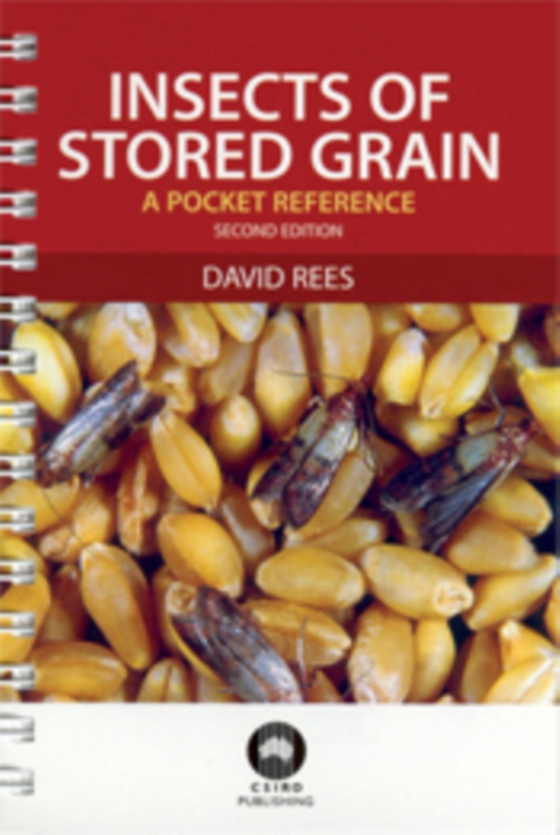
A pocket reference that allows the non-specialist to identify major insect and arachnid pests found in stored cereal grains, grain products and grain legumes. It describes most storage pests found worldwide and provides concise information on the biology, distribution, damage and economic importance of each species. Each entry contains at least one colour photograph. The notes for each species tell the nature of the pest or beneficial and the commodity affected; temperature and humidity conditions at which the species can survive; optimum conditions at which eggs take the shortest time to develop into adults; and maximum population growth rate per month. This new edition has twice as many species in it and more detail on distribution, host range and pest status than the previous edition. Short introductory sections on insect biology, principles of control and concepts of pest status evaluation have also been added.
E-bog
135,33 DKK
Forlag
CSIRO PUBLISHING
Udgivet
25.05.2007
Længde
80 sider
Genrer
Zoology: invertebrates
Sprog
English
Format
epub
Beskyttelse
LCP
ISBN
9780643099135
A pocket reference that allows the non-specialist to identify major insect and arachnid pests found in stored cereal grains, grain products and grain legumes. It describes most storage pests found worldwide and provides concise information on the biology, distribution, damage and economic importance of each species. Each entry contains at least one colour photograph. The notes for each species tell the nature of the pest or beneficial and the commodity affected; temperature and humidity conditions at which the species can survive; optimum conditions at which eggs take the shortest time to develop into adults; and maximum population growth rate per month. This new edition has twice as many species in it and more detail on distribution, host range and pest status than the previous edition. Short introductory sections on insect biology, principles of control and concepts of pest status evaluation have also been added.