 Dansk
Dansk


Watts, Alan
(forfatter)
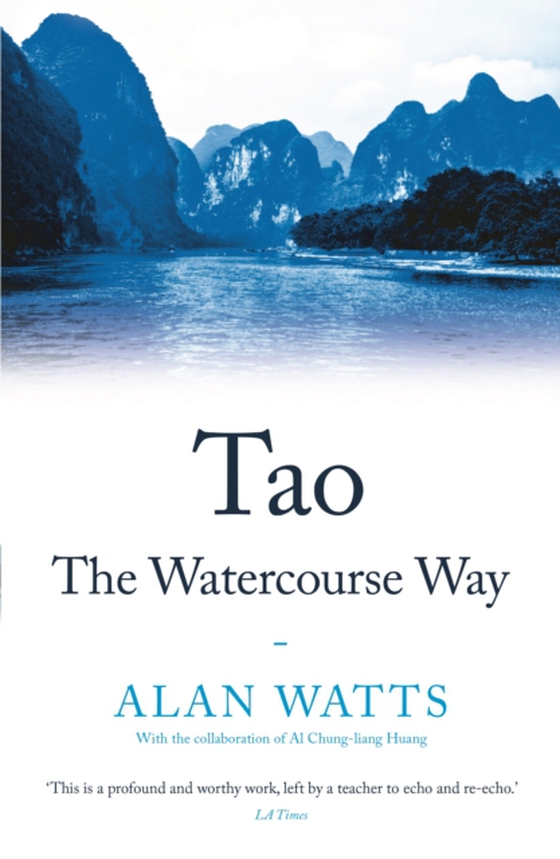
Tao: The Watercourse Way e-bog
65,04 DKK
Following Alan Watts' acclaimed book on Zen Buddhism The Way of Zen, he tackles the Chinese philosophy of Tao. The Tao is the way of man's cooperation with the natural course of the natural world. Alan Watts takes the reader through the history of Tao and its interpretations by key thinkers such as Lao-Tzu, author of the Tao Te Ching. Watts goes on to demonstrate how the ancient and timeless Chin…
Following Alan Watts' acclaimed book on Zen Buddhism The Way of Zen, he tackles the Chinese philosophy of Tao. The Tao is the way of man's cooperation with the natural course of the natural world. Alan Watts takes the reader through the history of Tao and its interpretations by key thinkers such as Lao-Tzu, author of the Tao Te Ching. Watts goes on to demonstrate how the ancient and timeless Chinese wisdom of Tao promotes the idea of following a life lived according to the natural world and goes against our goal-oriented ideas by allowing time to quiet our minds and observe the world rather than imposing ourselves on it. By taking in some of the lessons of Tao, we can change our attitude to the way we live. Drawing on ancient and modern sources, Watts treats the Chinese philosophy of Tao in much the same way as he did Zen Buddhism in his classic The Way of Zen. Including an introduction to the Chinese culture that is the foundation of the Tao, this is one of Alan Watts' best-loved works.
E-bog
65,04 DKK
Forlag
Souvenir Press
Udgivet
20.10.2011
Længde
160 sider
Genrer
Taoism
Sprog
English
Format
epub
Beskyttelse
LCP
ISBN
9780285640610
Following Alan Watts' acclaimed book on Zen Buddhism The Way of Zen, he tackles the Chinese philosophy of Tao. The Tao is the way of man's cooperation with the natural course of the natural world. Alan Watts takes the reader through the history of Tao and its interpretations by key thinkers such as Lao-Tzu, author of the Tao Te Ching. Watts goes on to demonstrate how the ancient and timeless Chinese wisdom of Tao promotes the idea of following a life lived according to the natural world and goes against our goal-oriented ideas by allowing time to quiet our minds and observe the world rather than imposing ourselves on it. By taking in some of the lessons of Tao, we can change our attitude to the way we live. Drawing on ancient and modern sources, Watts treats the Chinese philosophy of Tao in much the same way as he did Zen Buddhism in his classic The Way of Zen. Including an introduction to the Chinese culture that is the foundation of the Tao, this is one of Alan Watts' best-loved works.